


WorkSkiRV Snowboard Layering Guide: From RV Parking Lot To Powder Day
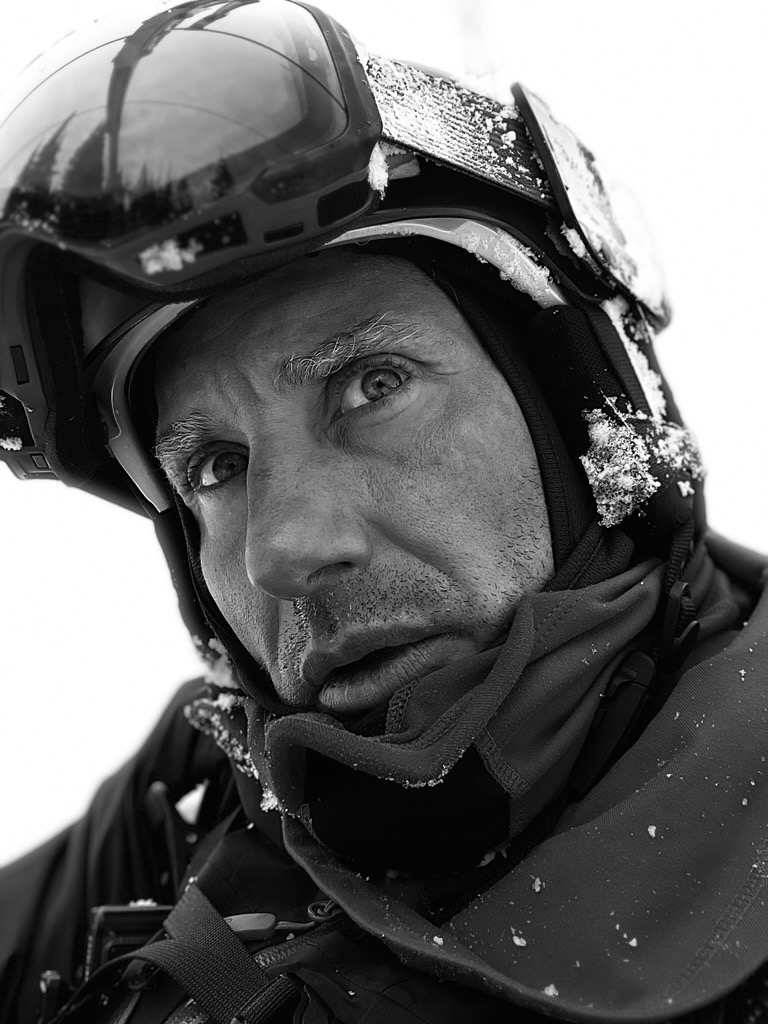

You’re going from cold, dark lot starts to sweaty bootpacks and windy lift rides, then back to a tiny rolling home where everything needs to dry and do double-duty. This guide breaks down a WorkSkiRV-style layering system for snowboarding, adds a dedicated protection layer (body armor and braces), and gives you RV-friendly tips for keeping the whole system working day after day.
The WorkSkiRV Layering Framework
For snowboarding, think in five functional layers, plus a dedicated protection layer woven into the stack.
Next-to-skin base layer (top and bottom)
Active mid layer (fleece or light synthetic)
Insulation layer (lofted down or synthetic, often removable)
Protection layer (body armor, spine, impact shorts, knee/ankle braces)
Shell layer (jacket and pants, your weather shield)
Optional: Belay-style “parking lot puffy” over everything
On warm days you’ll drop an insulation piece; on storm days you’ll run the full stack. The protection layer usually lives between base and mid, or replaces part of the mid layer.
Layer 1: Base Layer – Your Climate Control
Your base layer is your always-on climate controller: it manages sweat, keeps you dry, and sets the tone for the rest of your system.
What it does
Wicks sweat off your skin so you don’t get clammy on lifts or in the RV afterward.
Adds a thin but critical thermal buffer without bulk.
Prevents that “cold, wet cotton” misery when temps drop.
What to look for
Materials: merino wool or technical synthetics designed for winter (no cotton).
Fit: snug but not compressive; you want fabric touching skin so it can move moisture.
Features: flatlock seams, long hem so it stays tucked when you bend over, thumb loops optional.
RV life tips
Run at least two full base layer sets and rotate: one drying in the RV, one on your body. Hang them near a vent or fan, not right on a heater, to keep fabric performing longer.
Layer 2: Active Mid Layer – Your On-Hill Workhorse
This is your “all day” layer that lives over the base and under the shell most of the season.
What it does
Traps warm air and provides most of your everyday insulation.
Breathes enough to let sweat escape when you’re hiking for turns.
Works as a standalone hoodie in the RV lot or around town.
What to look for
Materials: grid fleece, light wool, or breathable synthetic insulators.
Features: full or half zip for venting, hood that fits under a helmet, drop tail for coverage on the lift.
Weight:
Light grid fleece for touring or warm days.
Medium fleece or light puffy for resort storm days.
Where protection fits here
If your body armor is lightly insulated and breathable, it can partially replace this mid layer (for example, armored vest instead of a second fleece).
Layer 3: Insulation – Your On/Off Heat Switch
Insulation is your adjustable heat switch for storm days, long lift rides, and the walk back to the RV.
What it does
Provides big warmth using loft (down or synthetic) that traps air.
Lives under your shell in deep winter, or over everything in the parking lot.
Comes on and off easily as conditions change.
What to look for
Down vs synthetic:
Down: warmer and more packable but loses performance when soaked.
Synthetic: better when you ride in wetter conditions and for repeated RV drying cycles.
Fit: trim enough to layer under your shell without crushing the loft, roomy enough to wear over armor.
Style: vest for high-output days, full jacket for cold resort laps.
RV life tips
Store your insulation uncompressed in the RV when possible so it keeps its loft.
Keep a “lot puffy” by the door so you can pull it on over your shell for late-night parking lot missions.
Layer 4: Protection – Body Armor And Braces
This is the WorkSkiRV twist: we treat body armor and medical braces as a first-class layer, not an afterthought.
What it does
Absorbs impacts to spine, ribs, shoulders, elbows, and tailbone during falls or in the park.
Stabilizes knees, ankles, or wrists if you’ve got old injuries or you’re pushing harder lines.
Prevents small crashes from becoming season-ending events.
Where it sits in the stack
Typical snowboard stack for protection:
Base layer
Protective armor / padded shorts / braces
Mid layer (if needed)
Insulation (optional)
Shell
For upper body:
Spine protector vest over your base, then fleece or puffy, then shell.
For lower body:
Base layer tights, then padded impact shorts, then shell pants.
Armor types
Upper body:
Soft armor vests with spine protection and shoulder / rib pads.
Hard-shell spine protectors for big lines, park days, or icy East Coast landings.
Lower body:
Padded compressor shorts for hips, coccyx, and outer thighs.
Knee pads under pants for park and early-season rock dodging.
Braces:
Knee braces if you’ve got prior ligament issues.
Ankle braces for riders with recurring sprains or lots of park impact.
Wrist guards if you ride a lot of early-season ice.
Fit rules
Armor must sit close to the body, not floating, so pads stay where they need to be in a fall.
Test with your full range of snowboard movement: binding straps, grabs, twists, seatbelt reach across your RV cab.
Make sure the combo of armor + mid + shell doesn’t over-tighten and restrict breathing or rotation.
Layer 5: Shell – Your Weather Firewall
Your shell is the outer shield that keeps wind, snow, and wet out while allowing heat and moisture to escape.
What it does
Blocks wind, snow, and most of the moisture trying to get in.
Manages excess heat and sweat via breathable fabrics and vents.
Delivers pockets, storage, and functional features for long days away from the RV.
What to look for
Construction: 2L or 3L waterproof/breathable fabric with fully taped seams.
Features:
Pit zips or side vents for dumping heat quickly.
Snow skirt, wrist gaiters, and good hood adjustment.
Big pockets that work with a pack and with armored layers underneath.
Fit:
Room for base, armor, mid, and insulation without binding at the shoulders or hips.
Slightly longer cut for snowboard stance and sitting on the snow.
For pants, prioritize a cut that works with impact shorts and knee pads, plus reinforced cuffs for RV lot stomping and sled pulls.
Optional Over-Layer: Parking Lot Puffy
This “layer 6” is the big puffy that lives by the RV door.
Goes over everything while you scrape ice, deal with hookups, or cook outside.
Doubles as emergency insulation if weather flips from “mellow” to “oh-no” mid-day.
Ideal if you’re doing dawn patrol rides then working tickets / networking after.
How To Layer For Different Riding Styles
Here’s how the WorkSkiRV layering stack changes with conditions and style.
Scenario Layering:
Cold storm resort day: Base, armor, warm fleece mid, insulated jacket (or puffy under shell), shell pants, Go thicker on mid or add insulated jacket, keep vents ready for gondola queues.
Spring slush laps: Light base, light armor or no armor, thin fleece or hoodie, shell, Drop heavy insulation, rely on vents and breathable fabrics, consider short-sleeve base.
Hike / Sidecountry missions: Breathable base, low-bulk armor, light active mid, packable synthetic puffy, light shell Prioritize breathability and packability; puffy lives in pack for breaks.
Park Day Base, high-coverage armor (spine + padded shorts), light mid, shell Protection is non-negotiable; keep mid light so you’re mobile and not overheated.
RV lot / travel day: Base or casual layer, mid or puffy, sometimes shell Comfort and quick on/off when jumping between laptop and laps.
Choosing Materials And Weights
Different fabrics change how your layers behave, especially under armor and with RV drying constraints.
Base layers
Merino: great odor control (big win in a small RV), warm even when damp.
Synthetics: dry faster and often cost less, excellent for high-output or wet conditions.
Mid / insulation
Fleece: durable, breathes well, works even if damp, ideal for wearing in the RV.
Synthetic puffy: versatile and RV-friendly; handles repeated compress/dry cycles.
Down: more performance sensitive; best if you can keep it dry and stored uncompressed.
Shells
Fully waterproof/breathable shells with big vents for lift-served storm riding.
Slightly lighter, more breathable shells for touring and long hikes.
RV-Specific Layering Hacks
Living and riding from an RV changes how you manage gear.
Drying strategy:
Rotate two base sets, hang today’s set immediately when you get in.
Use small fans to move air over damp layers instead of overheating them.
Storage:
Mesh bags for base layers so they can air out.
Keep armor and braces in a dedicated bin so nothing “walks away” under seats.
Multi-use:
Choose mid layers that look clean enough for remote work calls.
Keep one “clean” base set for office days and one for pure riding.
How To Build Your Own WorkSkiRV Kit
Use this as a checklist when you’re dialing in your winter packing list.
2–3 full base layer sets (top and bottom).
1–2 active mid layers: grid fleece hoodie plus a mid-weight fleece or light puffy.
1 insulation piece: synthetic or down jacket or vest, depending on your climate.
1 shell jacket and 1 shell pant with real vents and functional pockets.
Protection:
Spine protector or armored vest.
Padded impact shorts.
Knee and/or ankle braces as needed.
Wrist guards if you’re pushing park progression or just starting out.
1 big parking-lot puffy.
Putting It All Together On A Typical WorkSkiRV Day
A realistic day for a WorkSkiRV rider might look like this:
6:30 AM in the RV: base + armor + light fleece on, big puffy over the top to walk the lot.
8:00 AM first chair: puffy back in the RV, shell on, vents closed, gloves and helmet strapped.
Mid-morning bootpack: open vents, unzip mid, maybe stash insulation in the pack.
Storm rolls in: mid and insulation back on under the shell, armor doing its quiet job underneath.
4:00 PM lot life: shell off, mid or puffy on, boots open; base and armor go straight to the drying line while you hop on the laptop.
Layering isn’t just about comfort; it’s about riding more days, taking fewer injuries, and making RV life and remote work fit cleanly around your time on snow.


Comments