


WorkSkiRV Guide: Choosing A Snowboard Helmet (Why We Recommend MIPS)
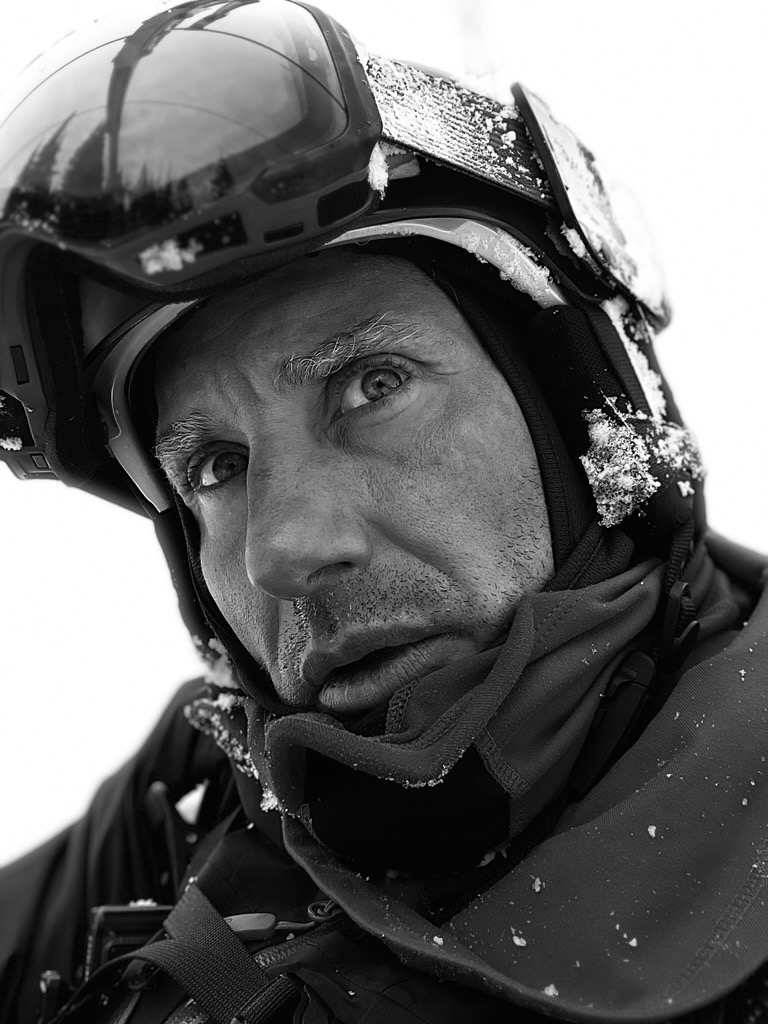

Why Rotational Impacts Matter
Most snowboard crashes aren’t straight down onto flat ice; your head usually hits at an angle, which twists the brain inside the skull. Rotational motion like this is strongly linked to concussions and more serious traumatic brain injuries. Traditional helmets are good at absorbing linear (straight‑on) hits, but they do much less to manage that twisting, shearing motion. Research on snow‑sport helmets with rotation‑damping systems shows they can significantly reduce rotational acceleration and lower the probability of concussion compared with standard helmets.
What MIPS Actually Does
It adds a low‑friction layer between the helmet shell and the liner so the helmet can move 10–15 mm around your head during an angled impact. That small slip mimics how the brain’s own protective membranes let the brain move slightly inside the skull, helping to redirect rotational energy away from sensitive tissue. Independent tests and manufacturer data suggest MIPS and similar systems can reduce rotational acceleration by roughly 10–50%, depending on the crash scenario. The key point: a MIPS helmet still meets all the normal snow standards for linear impact, but adds another layer of protection for the kind of off‑axis slam you actually take when you catch an edge or tomahawk in the trees.
WorkSkiRV bottom line: If you’re buying a new helmet, there’s no real downside to choosing MIPS (or an equivalent rotational system) and a lot of upside for the way snowboarders actually crash.
How To Choose The Right Snowboard Helmet
Picking a helmet is about more than just grabbing the “cool” one off the wall. You want something that fits, plays nice with your goggles, and matches how and where you ride.
1. Start With Safety Standards
Look for labels like ASTM F2040 and/or CE EN 1077; these are common snow‑sport helmet standards.
For WorkSkiRV riders who split time between resorts and sidecountry, stick with true snow helmets instead of re‑using a bike lid; the testing and coverage are different.
2. Get Fit Dialed First
Measure your head around the largest part—about 1 cm above eyebrows and ears—and match the number in centimeters to the brand’s size chart.
A good helmet feels snug but not crushing: shake your head side‑to‑side and up‑and‑down; it shouldn’t wobble or slide.
Use the dial‑fit system and included pads to fine‑tune; don’t size up “for a beanie” or room to grow, because loose helmets do not manage impacts properly.
3. Check Goggle Compatibility
With your goggles on, the helmet brim should meet the top of the frame without a big gap or overlap (“gaper gap” lets in wind and hurts protection).
Make sure vents aren’t completely blocked by the goggle frame or strap, since airflow is key for fog control.
4. Venting And Comfort Features
Adjustable vents (sliders or plugs) help you manage heat on hikes, bootpacks, and spring days.
Removable ear pads and liner make it easier to wash funk out mid‑season, which matters more when your “mud room” is a 24‑foot RV.
WorkSkiRV Helmet Recommendation: MIPS For Snowboarders
If you’re riding park, trees, or sidecountry—and especially if you’re stacking 60–80+ days a season—your helmet is one place not to cheap out. Modern MIPS‑equipped snow helmets are available from most of the major brands and at a wide range of price points. Look for:
A snow‑certified shell with full‑coverage design and a durable outer material that can deal with lift bars, roof racks, and RV door frames.
A MIPS (or similar) rotational liner, clearly labeled, ideally with test data or third‑party verification.
Adjustable vents, dial‑fit system, and removable ear pads for long mixed‑weather seasons.
For WorkSkiRV style riding—New England hardpack, tree runs, parking‑lot tomahawks, and frequent travel days—the sweet spot is an all‑mountain MIPS helmet that:
Fits securely with your main goggle setup.
Has enough vent control for both cold January storms and April RV corn missions.
Is comfortable enough that you actually wear it every lap.
RV Life: Helmet Care And Replacement
Helmets are single‑impact devices and don’t last forever, especially when they live in an RV.
Replace your helmet after any major impact where you hit your head, even if the shell looks fine; the foam inside can crush invisibly.
As a rule of thumb, swap helmets every 3–5 seasons of regular use because UV, temperature swings, and sweat slowly break down materials.
Store your helmet in a soft bag or dedicated bin so it’s not rolling around with shovels, gas cans, or cookware while you bounce up access roads.
WorkSkiRV Takeaway
Snowboarding is all about calculated risk: we accept that we fall, tomahawk, and occasionally tag that tree we were sure we’d clear. A well‑fitted, snow‑certified helmet with rotational protection like MIPS doesn’t make you invincible, but it meaningfully reduces the forces linked to concussions and TBIs in the kinds of angled hits we actually take. For the WorkSkiRV canon, that makes a modern MIPS snowboard helmet mandatory kit—right up there with your beacon and your season pass


Comments