


WSR Guide: Choosing The Right Goggle Lens For Every Day On Snow
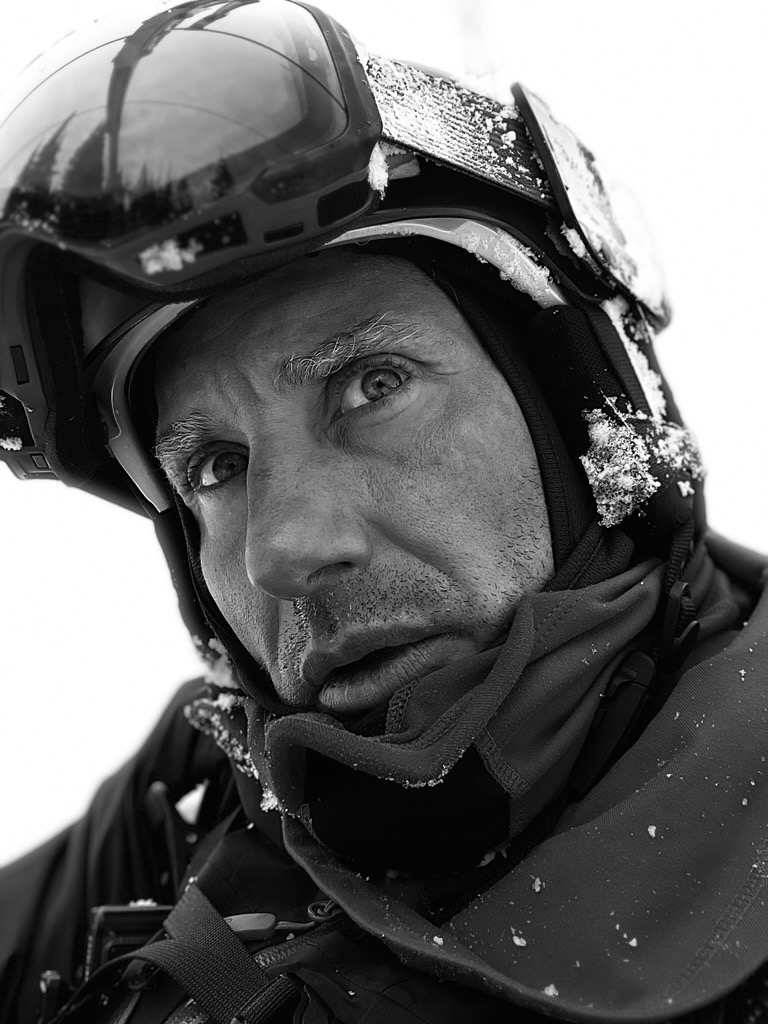

Dialed lenses are as important as your board or boots; the right tint lets you see every rollover, wind-lip, and patch of ice from dawn lot laps to night drives back to the RV.
VLT: The One Number That Matters
Before color names and marketing terms, start with VLT (Visible Light Transmission).

VLT is the percentage of light a lens lets through: low VLT = dark lens for bright sun, high VLT = light lens for storms and night.
Anon’s lens line spans roughly from around 6–8% (very dark) up to about 80–85% (very light/clear) based on the chart you attached.
Think of it like dimming the lights in your RV: blue‑bird days need the dimmer cranked down, storm days need it turned up.
If you spend lots of time lapping icy groomers or driving between resorts, one of these is your primary “bright day” lens.

These are the WorkSkiRV “set it and forget it” lenses when you don’t want to be swapping lenses at the RV every few hours.
High‑VLT “Storm / Night” Lenses (46–85% VLT) Best for: snow, fog, flat light, and night riding.
SONAR Blue (~46% VLT): storm specialist with big contrast for reading terrain in falling snow.
Amber (~55% VLT): warm tint that pops shadows in overcast conditions and in the trees.
SONAR Infrared (~57% VLT): high‑contrast, go‑to lens for snow, fog, and storm days.
Yellow (~75% VLT): classic night or heavy storm tint, super bright and high contrast.
Blue Lagoon / Pink Ice (~80% VLT) and Clear (~85% VLT): maximum light for night riding, wet storms, or driving back from the hill. If you ride a lot of storm days or night sessions, these become your “don’t leave the RV without it” lenses.
Match The Lens To The Day
Use this quick matrix when you’re staring out the RV window trying to decide what to snap into your Anon frame.

Building A Two‑Lens Or Three‑Lens Quiver
Traveling and working from an RV, you don’t want a dozen lenses rolling around in drawers. Aim for a tight quiver.
Minimalist (Two‑Lens) Setup
Bright‑day lens: SONAR Silver or Dark/Polarized Smoke (~6–8% VLT).
Low‑light lens: SONAR Infrared or SONAR Blue (~46–57% VLT).
This covers most resort days from bluebird to storm without ever feeling totally wrong.
Do‑It‑All (Three‑Lens) Setup
Sunny: Blue Cobalt or SONAR Silver (6–6% VLT range).
Everyday: SONAR Green or Red (14–23% VLT) as your main lens.
Storm / night: SONAR Blue or Infrared plus Yellow or Clear for true night sessions (~46–85% VLT).
Label their cases with painter’s tape so you can grab the right one in the dark RV morning shuffle.
Keeping Your Lenses From Fogging Up
Fogged lenses kill confidence fast, especially when you’re threading tight trees or driving the RV in a storm. Most fog comes from warm, moist air from your face hitting a cold lens and condensing, so the game is managing heat, airflow, and moisture.
Ventilation And Fit
Keep all goggle and helmet vents clear of snow, ice, and fabric; blocked vents trap humid air inside your goggles.
Make sure your helmet and goggles play nicely together: no big gaps that dump snow in, but also no helmet brim or beanie covering the top vents.
Avoid parking goggles on your forehead or on top of your helmet when you’re hot; that pushes sweat and steam straight into the lens.
Manage Heat And Moisture
Don’t overdress: if you’re cooking inside your layers, you’ll sweat more and fog everything, goggles included.
Use breathable neck tubes and balaclavas and keep them slightly below the bottom foam so you’re not blasting warm breath straight into the frame.
Keep moving when you can; airflow through the vents helps clear humidity faster than standing still in a long lift line.
On-Hill “Oh No, I’m Fogged” Protocol
If your lenses fog, resist wiping the inside; just take the goggles off briefly, shake out snow, and let them air with vents open while you ride an easy section or stand in a sheltered spot.
If they’re soaked after a crash, head inside or back to the RV, let them dry at room temperature, then gently blot any remaining moisture—no rubbing.
For multi‑day trips, rotate between two goggles or lenses so one can fully dry while you’re out in the next session.
RV Life: How To Care For Your Lenses
Good lenses are only useful if you can see through them. RV life adds moisture, steam, and tight space, so habits matter.
Always store lenses in a dedicated microfiber bag or hard case when they’re not in the frame.
Use the goggle bag to dab (not rub) moisture; let them air‑dry on a shelf away from direct heat.
Don’t leave goggles sitting on the dash in the sun; heat can warp foam and delam lenses.
Keep a small “goggle kit” by the door: spare lens, microfiber cloth, and anti‑fog wipes if you use them.
How To Decide Fast Before You Pull Out Of The Spot
When you’re about to step out of the RV and head to first chair, use this simple rule set:
Look at the sky:
Full sun and blue? Grab your lowest VLT lens.
Grey and milky? Grab mid‑VLT or high‑VLT.
Check the forecast for the main window you’ll ride (not just the morning).
Pack one backup lens in a case in your pack or jacket.
If you’re unsure, choose the higher‑contrast lens (often SONAR Red/Green/Blue/Infrared) over pure mirror style. That way your lens choice matches the WorkSkiRV way of life: ride hard, get the work done, and always be able to see your next line clearly, whether it’s a steep tree shot or a snowy drive to the next mountain.
Caring For Your Anon Lenses The WorkSkiRV Way
Good lenses last for seasons if you treat them right, which is especially important when they live in an RV drawer instead of a gear room.
Cleaning: Do’s And Don’ts
Let snow and water air‑dry before you touch the lens; then use a clean microfiber cloth or the goggle bag to gently wipe the outside only.
Never use paper towels, your sleeve, a shop rag, or a neck tube on the lens; those fibers scratch mirror and SONAR coatings fast.
Avoid household cleaners, solvents, and generic anti‑fog sprays on Zeiss lenses; they can strip exterior and anti‑fog coatings and void warranties.
To clean ski or snowboard goggles without trashing the anti‑fog or mirror coatings, focus on being gentle, using the right materials, and touching the inside lens as little as possible.
Step‑By‑Step: Safest Way To Clean Goggles
Let snow and moisture melt first
Shake or tap off loose snow, then let remaining snow or ice melt and air‑dry rather than smearing it around.
Rinse lightly if they’re really dirty
For mud, salt, or heavy grime, use lukewarm water on the outside of the lens to float off particles before you ever wipe it.
Avoid hot water, which can stress lens laminates and foams.
Use only microfiber on the outside lens
Wipe the dry outside surface with a clean microfiber cloth or the included goggle bag, using light pressure and small strokes.
Never use paper towels, tissues, shirts, or gloves; trapped grit in those fabrics scratches mirror and hydrophobic coatings.
Treat the inside lens and anti‑fog coating gently
The inner lens has a delicate factory anti‑fog layer, so avoid touching it unless you have to. If it gets wet or dirty, lightly rinse with clean lukewarm water, then dab (don’t rub) with a microfiber to pick up moisture and let it finish air‑drying in a warm, ventilated space.
Skip household cleaners and random sprays
Don’t use glass cleaner, alcohol wipes, or generic anti‑fog sprays on goggle lenses; these can strip anti‑fog and mirror coatings and may void warranties.
If a manufacturer recommends a specific lens solution, apply it sparingly and follow their instructions exactly.
Dry and store correctly
After cleaning, let goggles air‑dry completely away from direct heat vents or intense sun to protect foam and adhesives.
Store them in a microfiber bag or hard case, lens facing up, so the surface isn’t rubbing against anything between uses.
Follow this protocol and you’ll keep your coatings intact, your lenses clearer, and your goggles working for far more seasons before they need to be replaced.
Protecting The Inner Anti‑Fog Coating
The inside lens already has a factory anti‑fog treatment, so touch it as little as possible; wiping when it’s wet is the fastest way to ruin that layer.
If you absolutely must clean inside (mud, face‑plant, etc.), rinse gently with lukewarm water and then blot, don’t rub, with a soft microfiber before letting it air‑dry fully.
If you crash and pack the goggles with snow, shake them out, keep riding to push airflow through the vents, or head inside and let them dry instead of scrubbing the fog away.
Storage And RV Management
Always store goggles in their microfiber bag or a hard case, lens facing up, and never place them face‑down on any surface.
At the end of the day, park them on a shelf or hook in the RV where they can air‑dry away from direct heater blast to avoid foam and adhesive damage.
Keep spare lenses in individual cases so they don’t rattle together and scratch while you’re driving between mountains.



Comments