


Snoverlanding 101: What It Is & Why We Do It
Updated: Jan 22

What is Snoverlanding?
Snoverlanding = winter overlanding in an RV; off-grid adventure travel in extreme cold conditions to chase powder to snowboard in.

Camping in or near ski resorts, backcountry zones, and mountain towns
Living off-grid (boondocking) in winter conditions
Being mobile so you can follow the snow wherever it falls
Having your home base, office, and gear storage all in one rig
It's not just "winter camping." It's a lifestyle that combines remote work, adventure sports, and the freedom to go where the snow is best—right now, not next weekend when you can get time off.
Why Snoverlanding?
1. Chase the Powder
Forecasts change. A storm hits one resort but misses another. Snoverlanders can pack up and move to where the snow is falling, not where they booked a hotel six months ago.
2. Avoid the Crowds
Ski town hotels are expensive and packed on weekends. Snoverlanding means you camp nearby (sometimes in resort parking lots), wake up early, and hit first tracks while everyone else is still checking in.
3. Live Where You Play
Your home is at the mountain. No commute, no packing and unpacking every trip, no "I forgot my goggles at home."
4. Work Remotely from Anywhere
Bevverly's Mobile WorkSkiRV Office Suite (Starlink + AT&T backup) means you can work from a trailhead, ski all afternoon, then log back on if needed. The digital nomad dream, but make it snow.
What Makes a Rig "Snoverlanding-Ready"?
Not every RV can handle true winter conditions. Here's what Bevverly has that makes Snoverlanding possible:
Insulation & Heating
Upgraded insulation (Bevverly's a 1997 rig, but she's been retrofitted)
Reliable furnace that runs on propane
Draft sealing (though she's still draftier than a house—bring warm layers)
Power Systems

Battery bank for off-grid power
Solar panels (less effective in winter, but still helpful)
Generator or shore power capability for extended stays
Water Management

Heated fresh water tank (or insulated to prevent freezing)
Tank heaters or heat tape on lines
Gray/black tank heaters (frozen poop tanks = bad time)
All-Season Tires & Traction
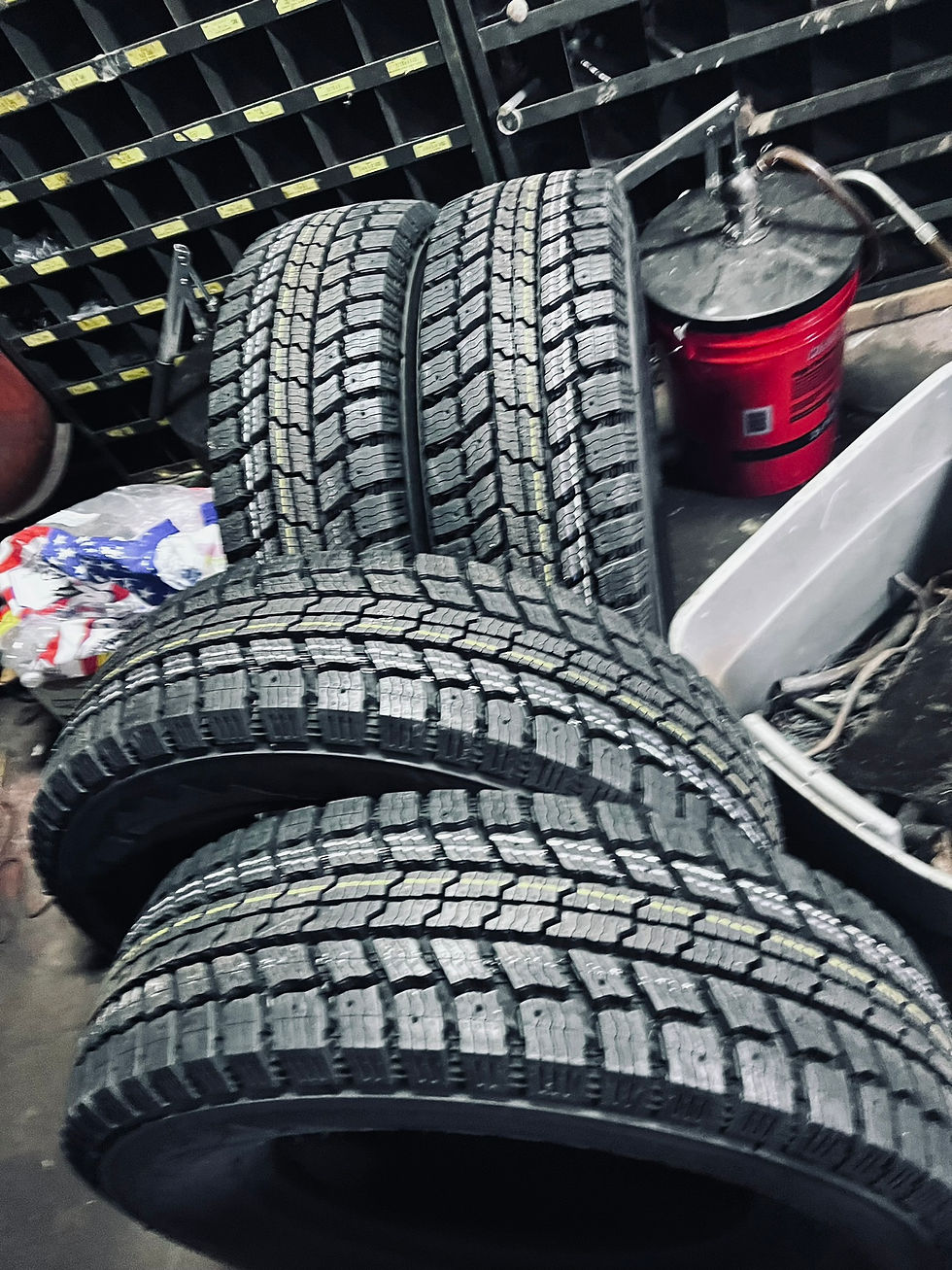
Decent tires for snowy/icy roads
Traction aids (chains, mats) for getting unstuck
Storage for Gear

Ski/snowboard racks
Space for boots, outerwear, avalanche gear
Roof storage or external cargo boxes
Challenges of Snoverlanding
Let's be real—it's not all powder days and hot cocoa.
Cold. Really Cold.

Floors are cold (slippers = essential)
Propane runs out faster when you're heating 24/7
Condensation from breathing/cooking can freeze on windows
Limited Resources
Water can freeze in tanks/lines if temps drop too low
Battery power drains faster in cold
Solar panels don't generate much in short winter days

But if you prep right and embrace the challenges? It's worth it. Waking up to fresh snow, being first on the lift, and living in the mountains full-time is unbeatable.
Snoverlanding vs. Overlanding
Overlanding | Snoverlanding |
Dirt roads, deserts, forests | Snowy mountain roads, ski areas |
Warm/hot weather | Below freezing regularly |
Water scarcity concerns | Water freezing concerns |
4x4 truck + rooftop tent common | RV or van with real insulation/heat |
Camp for solitude/exploration | Camp to access snowboarding/skiing |
Who Does This?
Remote workers who want to live in the mountains seasonally
Snowboarders/skiers who prioritize access to terrain over comfort
Adventure travelers who treat winter as a feature, not a bug
Anyone who's tired of expensive ski town lodging and wants freedom
WorkSkiRV was built by a Snoverlander, for Snoverlanders (and the curious guests who want to try it).
Want to Learn More?
New to boondocking? Start here: What the Heck is Boondocking? →


Comments